 Beeking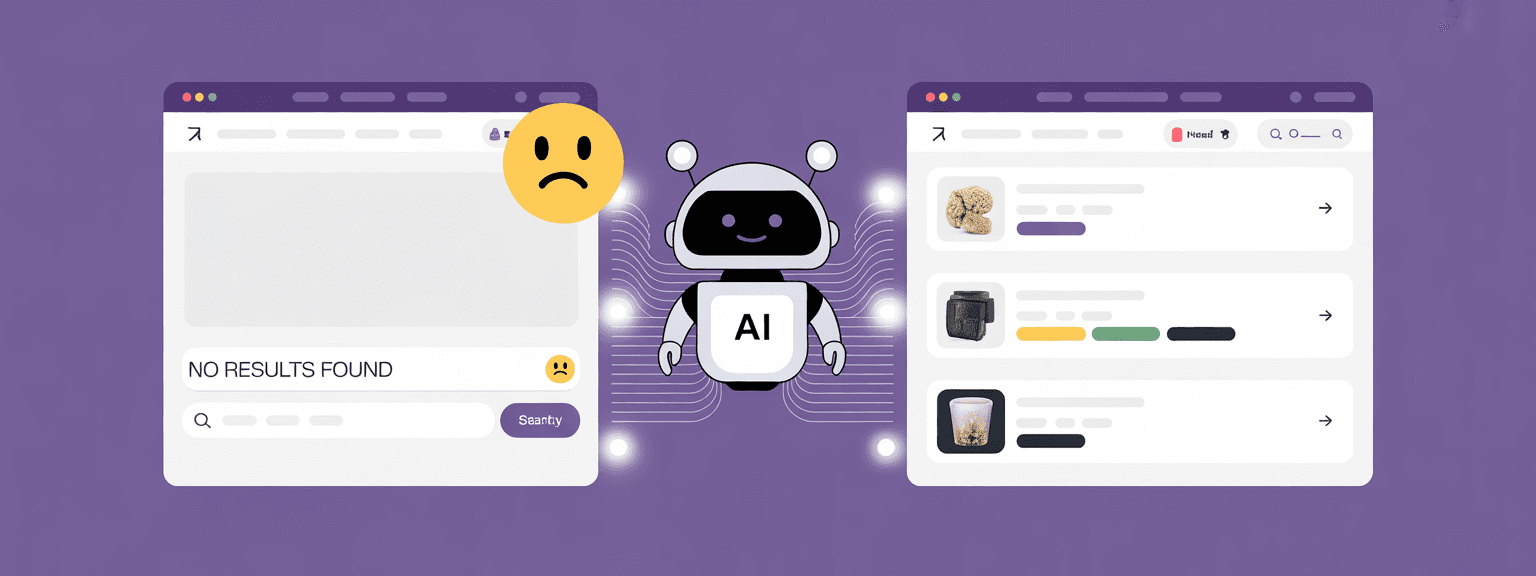
Solving Blank Searches: AI's Role in WooCommerce
Frustrated by 'No Results Found' pages on your WooCommerce store? Explore how a WooCommerce search engine AI uses NLP and semantic understanding to solve common search issues, interpret user intent, and connect customers with the right products, ultimately improving user experience and boosting sales.
It's a common frustration for online shoppers: typing a search query into a WooCommerce store only to be met with a 'No Results Found' page. This digital dead-end isn't just annoying for customers; it's a missed opportunity for sales. But what if your search could be smarter, more intuitive, and drastically reduce those empty-handed moments? This is where a WooCommerce search engine AI steps in, offering intelligent solutions to a prevalent problem.
Understanding the 'Why' Behind Zero Results
Traditional search functionalities often rely on exact keyword matches. If a customer misspells a word, uses a synonym your product isn't tagged with, or types a colloquial phrase, the system might draw a blank. For example, searching for 'comfy couch' when your products are listed as 'plush sofas' could lead to no results. This rigidity fails to capture user intent, a core aspect of the shopping journey.
How AI Bridges the Gap
An AI-powered search engine for WooCommerce approaches queries differently:
- Natural Language Processing (NLP): This technology allows the search to understand human language better, including typos, grammatical errors, and variations in phrasing. So, 'runing shoos' can still lead to 'running shoes'.
- Semantic Understanding: Beyond just words, AI grasps the meaning or *semantics* behind a query. It can connect 'eco-friendly water bottle' to products described as 'sustainable hydration solution' even if the exact keywords don't match. It understands that 'laptop' and 'notebook computer' are essentially the same.
- Contextual Learning: AI systems can learn from past search behaviors and successful product discoveries on your site. This helps in refining future search results and anticipating what a user might be looking for, even with vague queries.
The Impact of Intelligent Search
By implementing a WooCommerce search engine AI, store owners can transform their product discovery process. The goal is to ensure that when a customer searches, they find relevant products, or at the very least, helpful suggestions and alternatives, rather than a discouraging blank page. This not only improves the user experience but also significantly increases the chances of conversion, turning potential frustration into a successful purchase. It’s about making your product catalog accessible and easily navigable, no matter how the customer phrases their need.